Emotional Spatial Design: How Calm Spaces Shape the Way We Feel
Updated: Aug 17
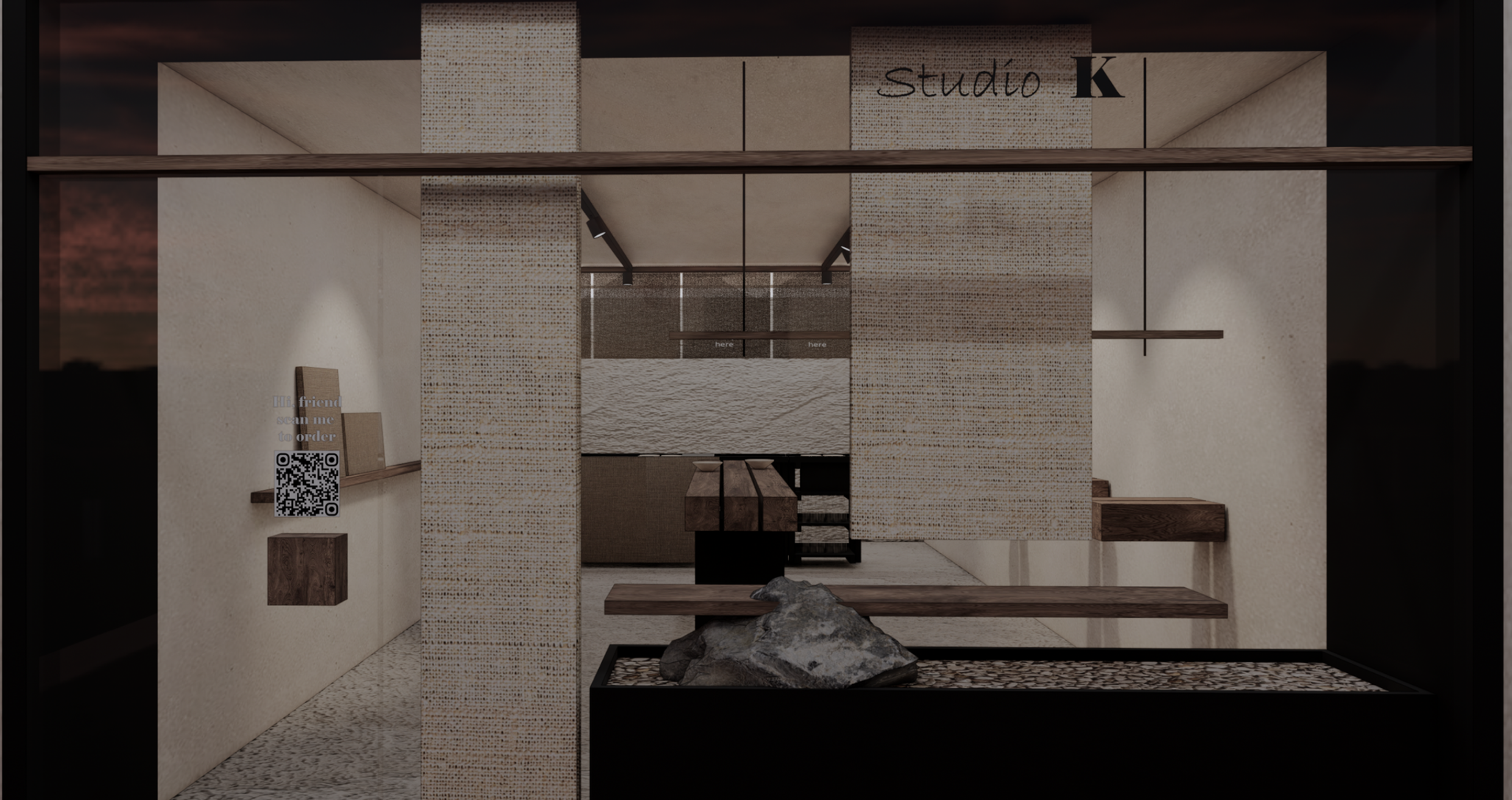
Why do some places make us feel instantly at ease, while others leave us restless—even when they look beautiful?
Perhaps you've experienced it before. You walk into a room, and without knowing exactly why, your shoulders begin to relax. You take a deeper breath. The space feels calm, balanced, and somehow "right."
Then there are places where the opposite happens. The architecture may be impressive, the furniture beautifully designed, yet something feels unsettling. Your attention drifts, your body remains alert, and you instinctively want to move on.
These reactions are not accidental.
Long before we consciously evaluate a space, it is already communicating with our nervous system. This is where emotional spatial design begins.
What Is Emotional Spatial Design?
Emotional spatial design goes beyond aesthetics or functionality. It considers a space as an experience—one that continuously influences how we think, feel, and behave. Every environment sends subtle signals.
A room can create a sense of safety. It can inspire curiosity. Support concentration. Or quietly increase stress.
This emotional impact is rarely created by a single object. Instead, it emerges from the delicate interaction of light, materials, proportions, acoustics, scent, texture, and even the empty spaces in between. Within seconds, our brain processes all of these sensory impressions—mostly without us noticing.
Research in Environmental Psychology shows that the fewer unnecessary visual and auditory stimuli our brain has to process, the easier it becomes for our body to shift from constant alertness into a more relaxed state. Natural materials such as untreated wood and stone, harmonious proportions, and a thoughtful balance between openness and enclosure help create a feeling of stability, comfort, and belonging.
How Spaces Influence Our Behaviour
Atmosphere is not just something we feel—it also shapes how we behave.
In a quiet café, we naturally lower our voices. In a library, we move more slowly. In traditional temples or tea houses, our pace becomes gentler almost without thinking. No one needs to tell us how to behave. The architecture itself guides us. The most successful spaces don't demand attention. They gently invite certain behaviours through thoughtful design.
The Art of Less: Lessons from East Asian Design Philosophy
For centuries, East Asian architecture has embraced the power of simplicity. Traditional tea houses, courtyards, and Zen gardens are not designed to impress through abundance. Instead, they celebrate restraint.
Empty space is not considered unfinished—it is an essential part of the composition. Light is allowed to change throughout the day. Materials are valued for the way they age gracefully over time. Nature is invited into the experience rather than separated from it. The result is an atmosphere that doesn't seek to overwhelm, but to centre us.
In a world that grows increasingly fast, noisy, and digitally connected, our longing for these kinds of environments continues to grow. This is why Calm Spaces are becoming more relevant than ever—not only in our homes, but also in workplaces, hotels, exhibitions, healthcare environments, and cultural institutions. Creating spaces that intentionally reduce sensory overload is no longer simply an aesthetic choice. It is becoming an essential part of human-centred design.
A Different Perspective on Design
During more than a decade as a Spatial Designer working with international brands, I learned how spaces can tell stories, strengthen identities, and create memorable experiences.
Today, another question fascinates me even more:
How can we design spaces that don't simply capture attention—but help people reconnect with themselves?
This question has led me back to my cultural roots: Chinese calligraphy, the tea ceremony, and the quiet wisdom of East Asian aesthetics. These practices remind us that meaningful design is not always created by adding more. Often, it emerges through thoughtful reduction.
Perhaps the future of design is not about creating ever more spectacular experiences.
Perhaps it is about creating places where people can breathe again. Spaces that support presence instead of distraction. Connection instead of stimulation. Calm instead of constant noise.
If you're exploring how Calm Spaces, East Asian aesthetics, and mindful design can become part of your organisation or brand experience, I'd love to hear from you.
Comments